


After her teenage son, John, was diagnosed with Type 1 diabetes, Samford University alumna Cami Tinsley, MSE ’19, spent the past year learning to manage his care and helping other families facing similar challenges.
When her son’s energy dropped and he began losing weight, she became concerned and scheduled a visit with his pediatrician.
What seemed like a routine illness quickly became a medical emergency. Tests showed John had Type 1 diabetes. He was sent to the emergency room, where doctors diagnosed diabetic ketoacidosis, a life-threatening diabetes complication.
For months, the family focused on his care and learning how to manage the disease. A few months later, he received an insulin pump, which Tinsley described as life changing.
"We're trying to make life for him as normal as possible,” she said. “I don't want this to define him. "
A year later, John continues to run track, spend time with friends and participate in the activities he enjoyed before his diagnosis.
As the family adjusted, Tinsley, who serves as the clinical experiential manager at Samford’s Moffett & Sanders School of Nursing, looked for ways to learn more about Type 1 diabetes and support other families. She served as an advocate with the American Diabetes Association and Breakthrough T1D, expecting to mainly share information on social media.
"I wanted to do something to try to make a difference and to just learn more about it myself," Tinsley said.
That summer, she received an email from the American Diabetes Association inviting her to Washington, D.C., to advocate for affordable insulin. Unsure why she had been selected, Tinsley deleted the email. A few weeks later, the organization called, needing someone from Alabama's 6th Congressional District to tell a personal story to lawmakers.
"I have no idea how me going to Congress will help, but evidently, God is calling me to go," Tinsley recalled thinking.
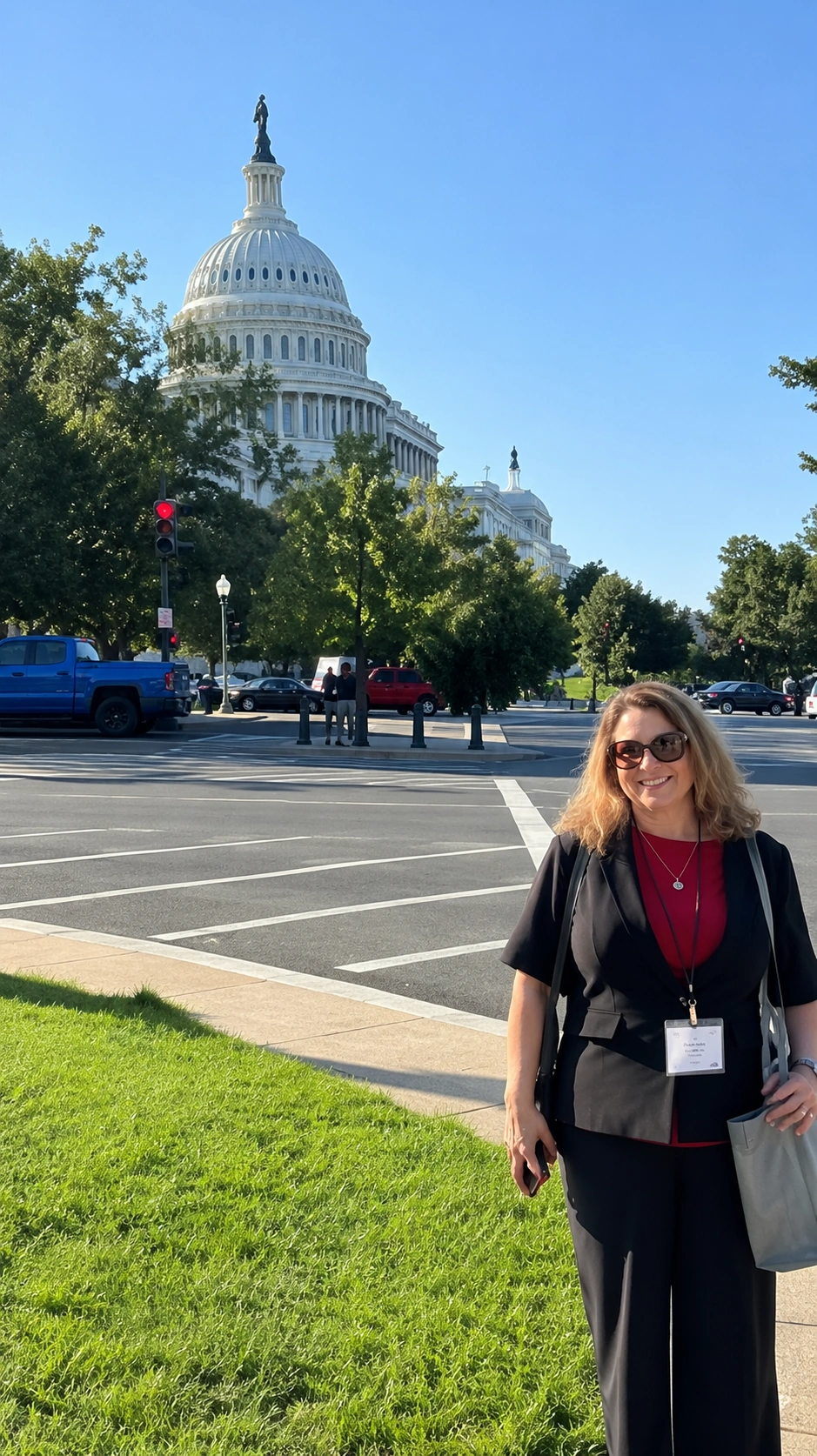
In September, Tinsley traveled to Washington with her mother, joining a representative from the American Diabetes Association and a diabetes researcher from Emory University. After advocacy training, the group met with nine congressional offices to discuss insulin affordability.
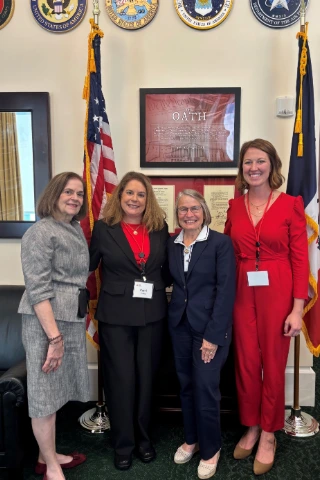
During the meetings, Tinsley shared her family's experience while the other members discussed diabetes research and funding. She told congressional staff how insulin costs affect families living with diabetes.
Although insurance currently covers John's insulin, Tinsley knows that could change when he manages his own health coverage as an adult.
"When my son turns 26 and is on his own, what does it look like? What if he wants to be an entrepreneur? What if he has to buy a private plan?" Tinsley said.
The group met with congressional offices that supported the legislation and others that had not yet taken a position. Tinsley shared John's story and asked lawmakers to consider the financial challenges facing people who depend on insulin.
"I'm advocating for everybody else who needs insulin. All people who are insulin dependent will be faced with these costly challenges at some point in their lives," Tinsley said.
After returning from Washington, Tinsley began preparing for a diabetes awareness walk and connecting with families in the Birmingham area. She shared information through local social media groups, where parents responded with stories about their children's diagnoses and experiences managing Type 1 diabetes.
Being an advocate has helped her connect with families dealing with similar challenges. Tinsley recently met another mother for dinner to learn more about her family's experience, something she hopes to continue as she becomes more involved in the diabetes community.
What started as a way to learn more about her son's diagnosis has grown into a commitment to supporting other families through her advocacy in Washington and the relationships she has built with parents closer to home.
